Following the Spring Festival, factories across the country are resuming operations. After a winter of continuous operation—especially during the high-load heating season in northern regions—valve equipment commonly exhibits fatigue wear, seal aging, and other issues. Spring presents the prime window for comprehensive hazard inspections and maintenance.
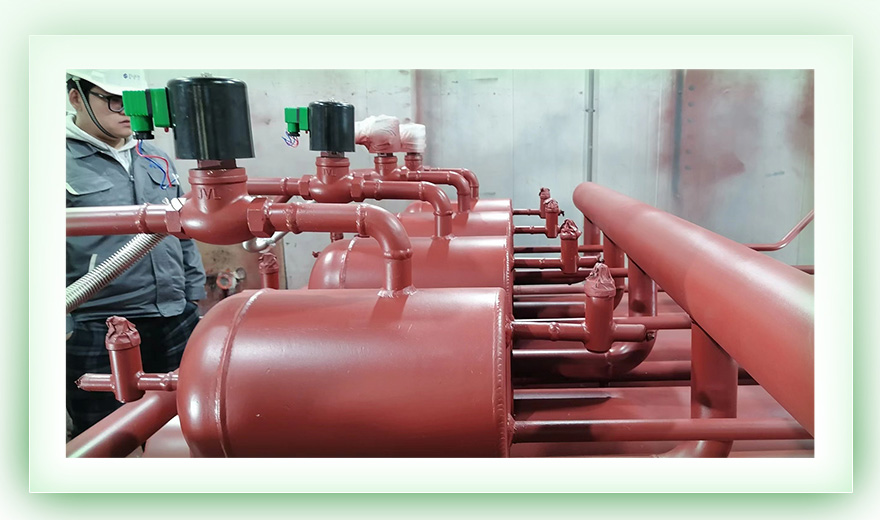
I. Identifying the Three Major “Hidden Killers” in Spring Maintenance
Based on past maintenance experience at stations, the three most common hazards during spring inspections are:
Grease Emulsification:
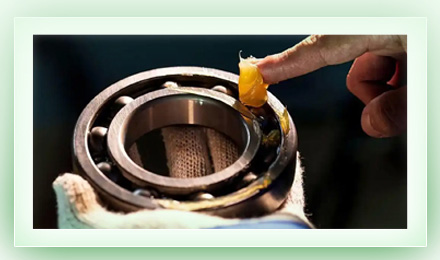
O-ring aging reduces sealing effectiveness, allowing rainwater to infiltrate valves and cause lubricating grease to emulsify and fail. The solution involves thoroughly cleaning out degraded grease, replacing aged O-rings, and replenishing fresh lubricant.
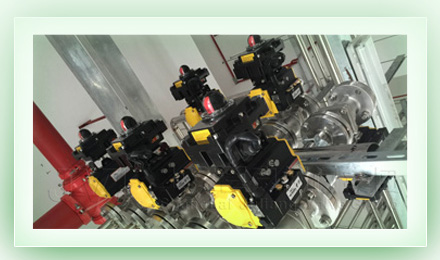
Valve Positioning Error: Discrepancy between the actuator's indicator reading and the actual valve position. This is typically caused by gear transmission deviation from prolonged operation. During deep maintenance, ensure the gear rotation direction aligns with the valve's opening/closing direction.
Bearing Damage: Contaminants entering the transmission mechanism or structural damage from forceful winter operation. If valve movement becomes stuck or produces abnormal noises, immediately shut down the system for inspection and promptly replace the bearings.
II. Standardized Quarterly Maintenance Procedures (Using Floating Ball Valves as Example)
As the final month of the first quarter, March requires completion of the following standard maintenance actions:
|
Maintenance Items |
Specific operations |
Effect |
|
Visual Inspection |
Clean dust and oil stains from the valve body surface. Inspect the valve body and bonnet for corrosion or cracks. |
Facilitate subsequent inspections to promptly identify structural damage |
|
Functional Testing |
Manually operate the valve through full open and full closed cycles to verify smooth, unobstructed movement without sticking. |
Verify proper transmission mechanism operation and accurate limit device positioning |
|
Lubrication Maintenance |
Apply appropriate grease to moving components such as the valve stem, bearings, and gears. |
Reduce friction and wear while enhancing operational flexibility |
|
Seal Inspection |
Check the packing gland for leaks; add or replace packing as necessary. |
Ensure stem seal integrity to prevent media leakage |
III. Daily Maintenance Tips
Beyond quarterly maintenance, the daily “5-Minute Quick Check” is equally vital. Follow this mnemonic:
“Look”: Visually inspect hoses/sealing surfaces for bulges, cracks, or whitening.
“Listen”: Hear the sound when closing valves—a crisp click indicates good health, while a hoarse sound warrants caution.
“Feel”: Check valve body temperature by touch. Localized overheating indicates potential corrosion or abnormal wear.
As the saying goes, “A dam breaks at the ant's nest.” Any delay in addressing minor hazards can lead to major disasters. Only by maintaining vigilance in times of peace and implementing the principle of “safety first, prevention foremost” can we ensure the long-term stable operation of equipment. Shanghai Juliang Valve Group stands ready to partner with you as your year-round guardian for equipment operation.

Address:No.28, Xiangmin Rd, Songjiang district, Shanghai, China
TEL:+86 21-65566666

Follow WeChat
Get more information

 search

 CN / 中文