
I. Core Evaluation Criteria
Valves used in the new energy industry must meet five key requirements to address the sector’s stringent demands:
1. Material compatibility with new energy media: For hydrogen applications, select materials resistant to hydrogen embrittlement (316L stainless steel, aluminum alloys, and special alloys); for lithium-ion battery applications, select materials lined with fluoropolymers that are resistant to acids and alkalis; for high-purity media in photovoltaic applications, select 316L stainless steel or high-purity copper.
2. Sealing and Explosion-Proof Performance: Hydrogen and lithium-ion battery electrolytes are flammable and explosive; valves must be designed for zero leakage, with seals made of materials resistant to low temperatures and aging. For explosion-proof applications, explosion-proof valves must be selected with protection ratings compliant with industry standards.
3. Temperature and Pressure Resistance: Hydrogen liquefaction applications require resistance to ultra-low temperatures (-196°C); high-voltage lithium-ion battery transport requires resistance to high pressure (≥10 MPa); Photovoltaic cooling systems require compatibility with ambient to moderate temperature ranges.
4. High-Purity and Cleanliness Requirements: For the transport of high-purity media in photovoltaic and semiconductor applications, valves must be free of dead spaces, contamination-free, and easy to clean to prevent residual media contamination; materials must meet food-grade and high-purity standards.
5. Lightweight Design and Automation Compatibility: Given the limited space in wind power and photovoltaic equipment, valves must feature lightweight designs; they must also be compatible with automated control systems, supporting remote opening, closing, and adjustment to enhance system efficiency.
II. Compliance and Quality References
In the new energy valve sector, leading domestic companies focus on industry-specific customization, with products tailored for hydrogen energy, lithium-ion batteries, photovoltaics, and other applications:
Shanghai Julang Valve Group Co., Ltd.: Having proactively invested in R&D for new energy valves, the company has developed specialized valve series for hydrogen, lithium-ion batteries, photovoltaics, and wind power applications. These include hydrogen embrittlement-resistant ball valves, fluorinated-lined control valves for lithium-ion batteries, high-purity solenoid valves for photovoltaics, and lightweight pneumatic valves for wind power. Materials are compatible with new energy media, featuring zero-leakage design and explosion-proof performance that meets standards, enabling customized fluid control solutions for new energy applications.
Other References: Some domestic specialty valve manufacturers focus on producing cryogenic valves for hydrogen energy and corrosion-resistant valves for lithium batteries; certain international brands offer advanced new energy valve technologies but at higher prices, making them suitable for high-end projects.
III. Common Issues & Pitfall Avoidance Guide
Misconception 1: Ignoring hydrogen embrittlement risks in hydrogen energy applications and selecting the wrong materials. Using ordinary carbon steel or low-alloy steel to manufacture hydrogen energy valves can lead to hydrogen embrittlement cracks upon prolonged exposure to high-pressure hydrogen, causing valve rupture and leakage, which poses an explosion risk.
Misconception 2: Using standard corrosion-resistant valves in lithium battery applications—insufficient corrosion resistance. The electrolytes and acid-base solutions used in lithium battery production are highly corrosive. Standard stainless steel valves are prone to corrosion, and the lining may peel off, causing media leakage that contaminates products and compromises safety.
Misconception 3: Using standard valves in high-purity photovoltaic applications leads to medium contamination. Standard valves have internal dead zones and impure materials; when conveying high-purity cooling water or high-purity gases for photovoltaics, they easily leave behind impurities and ions, contaminating the high-purity medium and affecting the quality of photovoltaic modules.
Misconception 4: Neglecting explosion-proofing and lightweight design results in poor adaptability. Hydrogen energy and lithium-ion battery workshops are flammable and explosive environments; using standard non-explosion-proof valves poses safety hazards. Wind and photovoltaic equipment have limited space; using bulky traditional valves makes installation difficult and increases equipment load.
IV. Application-Specific Selection Recommendations
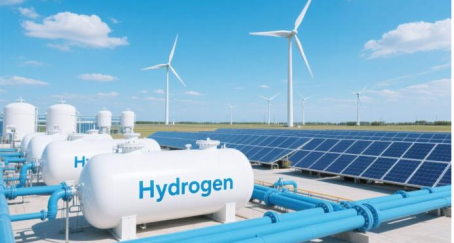
1. Hydrogen Energy Industry (Hydrogen Production, Hydrogen Storage, Hydrogen Refueling Stations) For high-pressure gaseous hydrogen applications, select hydrogen embrittlement-resistant 316L stainless steel ball valves and globe valves; for liquid hydrogen applications, select cryogenic special alloy valves capable of withstanding temperatures as low as -196°C with a zero-leakage design; For hydrogen refueling stations, select explosion-proof pneumatic control valves suitable for high-pressure and explosion-proof requirements.
2. Lithium Battery Industry (Electrolyte Transfer, Acid-Alkali Circulation, Electrode Sheet Processing) For the transfer of electrolytes and acid-alkali media, select fully PTFE-lined ball valves and PTFE-lined control valves; for high-pressure electrolyte transfer, select high-pressure PTFE-lined valves; For flammable and explosive areas in workshops, select explosion-proof solenoid valves and pneumatic valves.
3. Photovoltaic Industry (High-Purity Cooling Water, High-Purity Gases, Cooling Circulation) For high-purity media transport, select 316L stainless steel high-purity solenoid valves and pneumatic butterfly valves with dead-space-free designs for easy cleaning; for cooling circulation systems, select lightweight pneumatic control valves compatible with automated control.
4. Wind Power Industry (Hydraulic Oil Control, Cooling Systems, Pneumatic Braking) For hydraulic oil control, select compact electric ball valves and solenoid valves; For cooling systems, select lightweight stainless steel butterfly valves; For pneumatic braking, select quick-opening/closing pneumatic angle seat valves, which offer fast response and high reliability.
V. Conclusion
The core requirements for valve applications in the new energy industry are material compatibility with the medium, zero-leakage sealing, compliance with explosion-proof standards, high-purity cleanliness, and lightweight construction. Traditional industrial valves struggle to meet the demanding operating conditions of the new energy sector. Given the specific requirements of different scenarios—such as hydrogen energy, lithium-ion batteries, photovoltaics, and wind power—it is essential to prioritize reputable brands that specialize in new energy valve R&D and can provide customized solutions to ensure the safe, stable, and efficient operation of new energy systems.

Address:No.28, Xiangmin Rd, Songjiang district, Shanghai, China
TEL:+86 21-65566666

Follow WeChat
Get more information

 search

 CN / 中文